Guide
About to rent? Ask for the building's flood paper first
Send us the form's answers and the address.
You like the apartment, the rent works, and the landlord is ready to sign. Stop for one request: the flood history form. It is a short form, and the answers can tell you what the basement or the first floor has already been through.
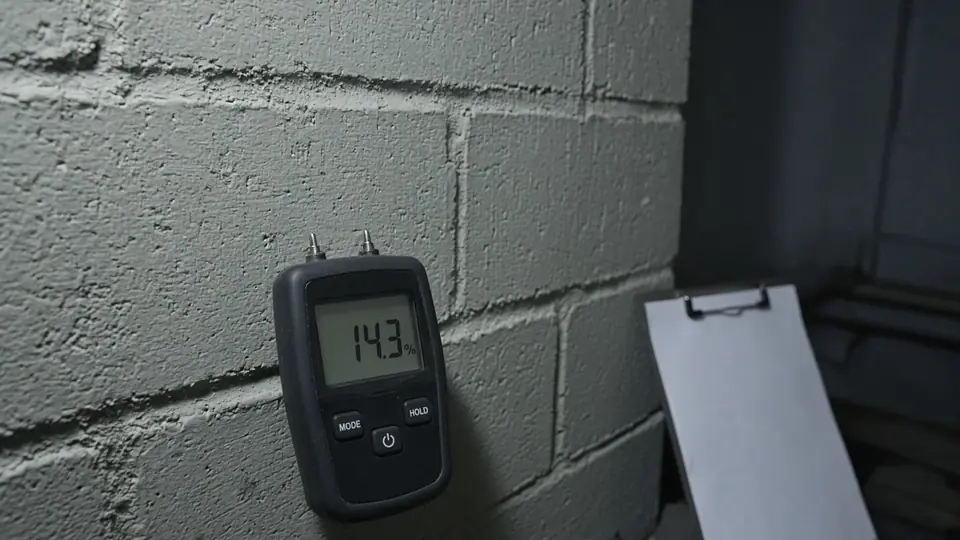
We help you get the mold assessment booked first and the cleanup or drying after, from separate New York companies, starting with what this building has been through.
The Yonkers record-first promise
- Calling or writing to us is free and binds you to nothing.
- We ask about the building's flood record before anything else.
- The company that assesses will not be the one that removes.
- Your $100 credit follows the written offer terms, word for word.
Each contractor you hire works for you under your own agreement with them.
Mold Removal Yonkers, (315) 640-3590
Read the termsWhat the landlord has to hand you
Westchester County law says that before a written lease, an owner must tell you whether the property sits in a FEMA Special Flood Hazard Area. The owner must also disclose known flooding in the past ten years that damaged the rental space.
You do not have to argue for this. You ask, in writing, and the landlord fills it in. The county Planning Department must supply the form on its website or in hard copy on request, so a landlord cannot say it does not exist.
What the form asks, line by line
The owner records the flood map panel and the zone, says whether the property has flooded in the last decade, and estimates how high the water rose. The owner also lists any steps taken to reduce flooding. The instructions tell owners to describe every flood in the past ten years, in or out of a flood zone, including utility shutoffs and tenants who had to leave.
Both of you sign it, and the owner must also say where the water line was estimated to reach inside your rental space. Read that line twice. It is the closest thing to a mark on the wall written down before you move in.
Which leases it reaches
The rule took effect on 15 August 2022. It reaches leases, sublets and renewals signed from that day forward, so a lease signed earlier falls outside it.
If you are subletting a room or a flat, the same ten-year duty falls on you as the person who sublets. Fill in the form for whoever takes the space after you. If you signed before the date, ask for the same answers anyway. A landlord may share them, and you lose nothing by asking. A renewal is a fresh chance to ask for an updated form, so note your lease end date.
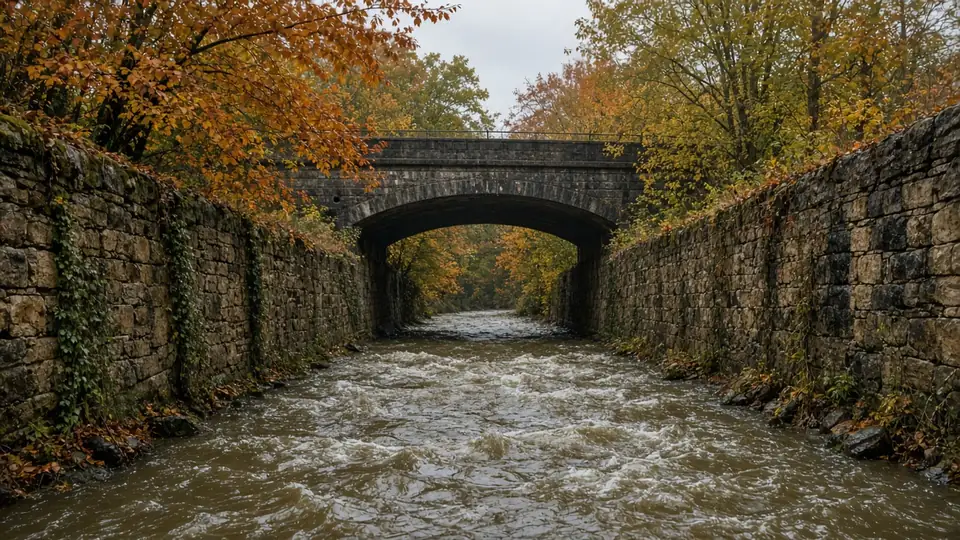
Already mid-lease with a wet wall? The form is not your tool. Write to your landlord now, with dates and photos, and ask for an inspection.
Rain that pools counts as flooding
The county's definition is broad. Flooding includes overflow of a river or tide, fast runoff from a stream or drainage ditch, and rain that simply ponds where it fell. So water that ponded after a downpour can count, even if no river was involved.
That matters in Yonkers, where the water behind a basement wall may come from old sewers or buried channels. The county's form also says roughly 40 percent of flood insurance claims arise away from the high-risk map zones, so a clean zone settles nothing.
A walk through one example
Say the form lists no flooding, but the lower wall has fresh paint and the room smells damp. The form is signed, so the landlord has made a statement. You now hold two facts that do not fit together.
Photograph the wall with the date visible. Ask the landlord when it was last painted and why. Then book an assessor, who can read moisture behind the paint and write down what is there.
What the form does not tell you
It asks about floods. It does not ask who was told or what the repair involved, and it does not ask for the cause. Those are lines two, three and four of the building's file, and you will need to ask for them yourself.
Ask where the water came from, who was told at the time, and what papers exist from the dry-out. A landlord with nothing to hide can answer in a few lines.
Three lines you can send tonight
- Please send me the Westchester County flood history form for this unit before I sign.
- Please list any flooding in the last ten years and where the water line reached.
- Please tell me what repairs or changes were made afterward.
Send it by email or text so that you hold a dated copy. If the landlord replies by phone, send a short message afterward that thanks them and repeats what you were told.
If the landlord skips the form
If the owner never gave the disclosure and flood damage hits during your lease, the law gives you a court claim for those losses. Defendants who acted together can share the liability. That is a question for a lawyer, not for us, and the time to document is now.
Save the lease, any messages asking for the form, and photos taken the day you moved in. They matter far more than a memory.
What to do with the answers
Put them in the four-line building file: when it got wet, where the water came from, who was told and what was done. An assessor will want exactly that. Yonkers shows why: the county plan's city annex lists 239 repetitive loss properties, so a basement with a past is not rare.
When the form is blank on a point, write down who answered and when. A gap in the file is information too.
Your belongings are a separate question
The county's notice to renters on the form says a landlord's flood insurance protects the building and not your belongings. It adds that a standard renter's policy does not typically cover flooding. Ask your own insurer what your policy covers before the next storm season.
- 1Street and houses
- 2Concrete flume
- 3Sewer system
- 4Foundation wall
- 5Basement floor
- 6Opened stretch
If you are the landlord or manager
An honest, dated answer is better than a blank one. Keep your own file: when water arrived, where it came from, who you told, who dried it and what paper came back.
When a tenant reports damp, book an assessment before any removal quote, and have the clearance report come from the assessor. That gives the next tenant something real to read.
If you are buying, not renting
The county form covers leases, not sales. You can still ask the seller, in writing, what water the house has met and what was done. Ask for repair papers, the names of the companies and any report that closed the job.
Next step
If you already live in a wet unit, book an assessment and bring whatever the form says. If water got in during the past two days, call about drying. Either way, send us the address.
Jobs
The jobs that go with this guide
Mold Assessment With the Building's Flood Record
Book the assessor before the tear-out.
Drying After Repeat Water
Dry the room fast and write down the dates.
Send us the form's answers and the address.