Get the building's history first, then the assessment, then the cleanup
Is your Yonkers building wet again? Find out what it did before
$100 off your first job, credited when it is booked.
Is the same corner of your basement damp again? Before you pay for a tear-out, find out what this building has been through: when it got wet, who was told and what was done. Send us the address and we help you book the mold assessment first, then the cleanup or drying from a separate company.
- 1Dates of earlier water
- 2Where the water came from
- 3Who was told
- 4What was done
We help you get the mold assessment booked first and the cleanup or drying after, from separate New York companies, starting with what this building has been through.
The Yonkers record-first promise
- Calling or writing to us is free and binds you to nothing.
- We ask about the building's flood record before anything else.
- The company that assesses will not be the one that removes.
- Your $100 credit follows the written offer terms, word for word.
Each contractor you hire works for you under your own agreement with them.
Mold Removal Yonkers, (315) 640-3590
Read the termsThe file
Ask the building before you ask a contractor
A wet wall is a question about the past.
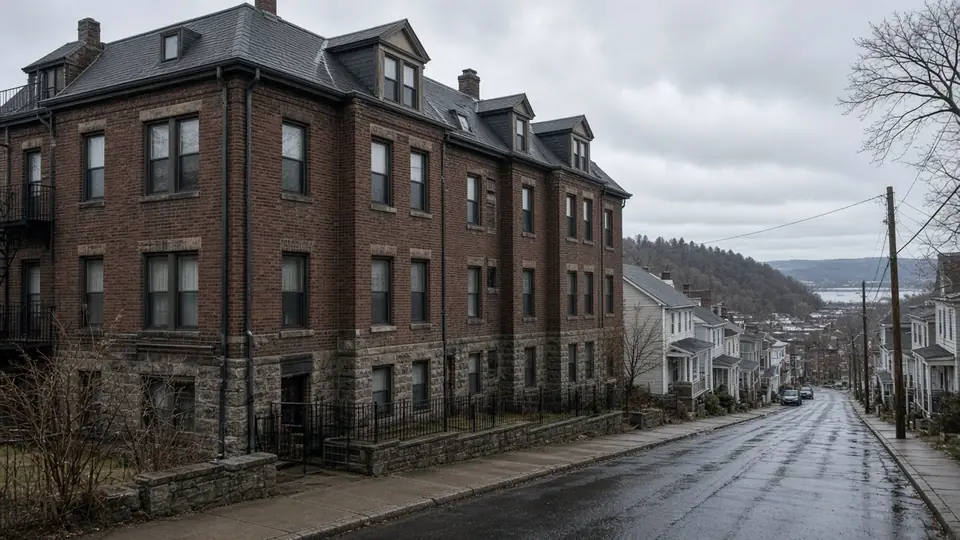
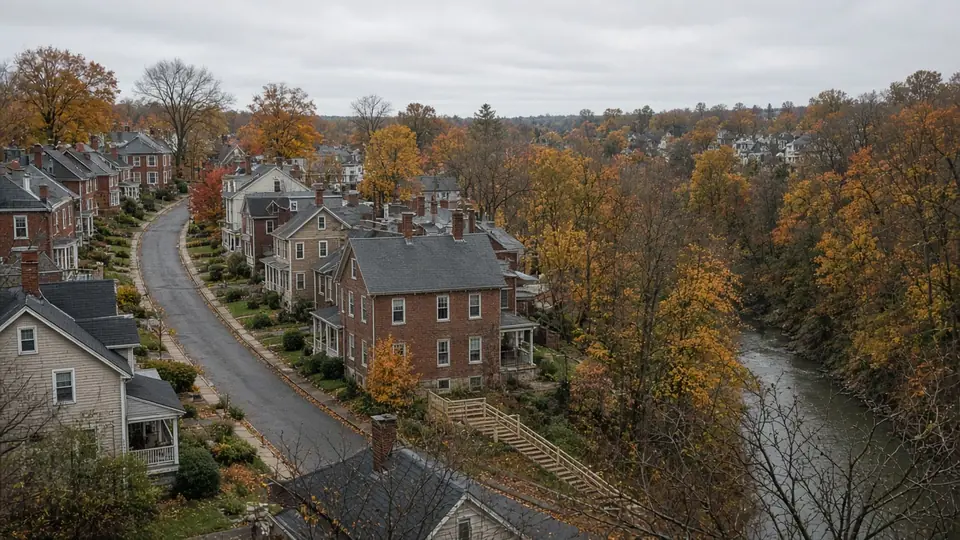
Yonkers has a long memory for water. The county's hazard plan lists 239 repetitive loss properties in the city: addresses that flooded, were paid for, and flooded again. Keep that in mind when someone offers to fix your wall without asking what happened last time.
You do not have to know whether yours is one of them. You need four answers: when the building got wet, where the water came from, who was told, and what was done. The card on this page has the four lines. Fill in what you know, leave the rest blank, and send it with your address.
An assessor wants those answers before a single wall comes off. A renter who asks for them also learns what the landlord knew, and when.
- 1
Dates of earlier water
When did this building get wet before?
Dates let an assessor see a pattern. One leak and five leaks are different jobs.
- 2
Where the water came from
Where did the water come from last time?
A brook, a backed-up sewer and a pipe call for different repairs. A guess is still useful.
- 3
Who was told
Who was told, and what did they write down?
A landlord, seller, city office or insurer may hold a record. Ask for a copy.
- 4
What was done
Who dried it, who checked it, who signed off?
Paper from the last job shows what was fixed. With none, the assessor starts fresh.
Questions
Questions to put to a landlord, a seller or a contractor first
1Do I have to own the building to ask about its flood history?
No. A renter or a prospective tenant can ask the landlord for the county flood history form, and a buyer can ask the seller in writing. You do not need a deed to ask. Tell us what you hear back, and we use it to start the assessment.
2How do I find out whether my building has flooded before?
Ask the people who would know: the landlord, the seller, the managing agent, long-time neighbors and your insurer. In Westchester, a landlord's ten-year flood form is the written version. Whatever you collect, send it with your address.
3Should the mold assessment come before I collect quotes?
Yes, for anything over about ten square feet or a patch that keeps returning. The state Labor Department says removal cost estimates should not be given until a mold assessment is done. Book the assessor first, then ask each remediation company to price the written plan.
4Why can't one company assess my mold and then clean it up?
In New York, above ten square feet, one licensee cannot take both jobs on a single property, and an owner cannot waive that. You hire two companies, and the second follows the first one's plan.
5Is small mold something I can clean myself?
EPA says most people can clean a patch under about ten square feet. Fix the water source first, and do not paint over it. If it returns or spreads, book an assessment.
6What should I have ready when I send my details?
The street address, what you see and where, and when it started. Add dated photos, messages to your landlord and any repair papers. Leave blanks where you do not know, and say so.
7Who signs off when the work is finished?
The assessor does. After remediation, the assessment company checks the area against the plan and gives you a written clearance report. Ask who will write it before you hire the remover.
8What if my landlord ignores the problem?
Write to the landlord or superintendent, describe the problem and date it. If nothing happens, ask your local building department to inspect. Every New York residential lease carries an implied promise of habitability, so keep copies of everything.
Under the street
Under your street there may be a river you never see
Yonkers covered its rivers long ago, and the water did not leave.
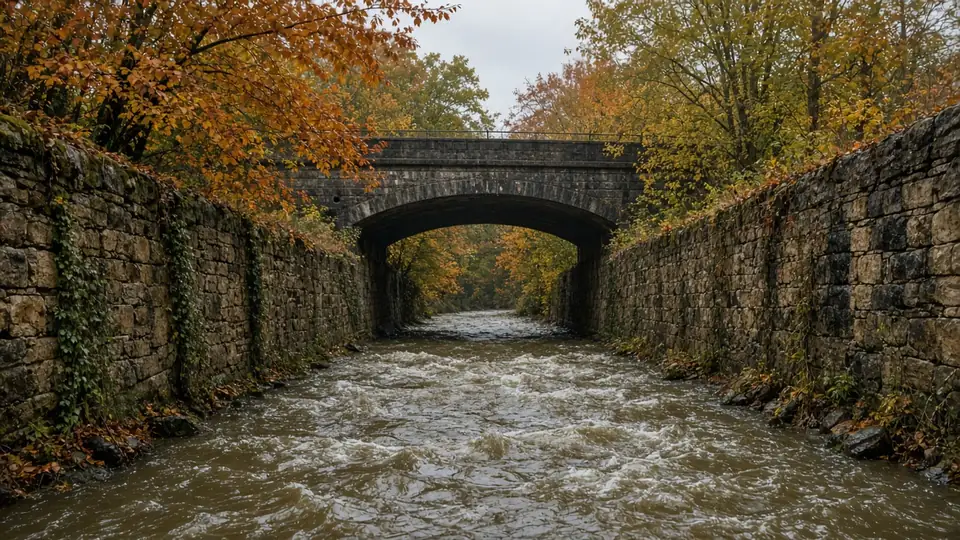
In the early 1920s the Saw Mill River was covered over for flood control, and its last mile before the Hudson now runs almost entirely underground. Since 2011 a stretch downtown has flowed above ground again, with the old flume kept as an overflow channel.
Tibbetts Brook starts in Yonkers, and part of it was buried in 1912. Today it sends millions of gallons a day into the sewer system, even in dry weather. Add an old city sewer such as the one on Ashburton Avenue, and a basement problem can trace back to pipes and buried channels, not the river you can see.
The city's list of flood-damaged property covers the Saw Mill valley, Tibbetts Brook, the Bronx River valley and the Hudson. Ask what runs under your block, then tell us what you learn.
- 1Street and housesFile line 1Many older Yonkers sections were built densely where water collects. Ask what happened on your block.
- 2Concrete flumeFile line 2The Saw Mill River was covered in the early 1920s. Ask whether your block sits near it.
- 3Sewer systemFile line 3Tibbetts Brook went underground in part by 1912 and sends water into the sewer system. Ask whether yours backed up.
- 4Foundation wallFile line 4Stains and salt lines on a wall mark where water pushed. Ask when you first saw them.
- 5Basement floorFile line 1A floor that floods or sweats needs its water source found first. Ask what was fixed.
- 6Opened stretchFile line 2Part of the river has run open downtown since 2011. The old flume still carries overflow.
Chapter 581
Ask for the flood form before you sign
In Westchester County a landlord has to hand a prospective tenant a flood history form for the last ten years. Ask for yours, and keep your copy.
Renting
Ask the landlord for the form before you sign the lease, and read each answer.
Subletting
The same ten-year duty falls on you when you sublet, so fill it in.
Buying
The county form covers leases, not sales. Ask the seller in writing what water the house has met.
Owner
Answer the form's questions for your own building first. An assessor will want the same answers.
Flood map panel and zone
Which map panel and zone the building sits in.
High-risk area, yes or no
Whether the map marks the building high risk.
Floods in the last ten years
Dates, damage and how high the water rose.
Steps taken since
Repairs or changes made to keep water out.
Three jobs
Start with the job that fits today
Each job is done by a different kind of company.
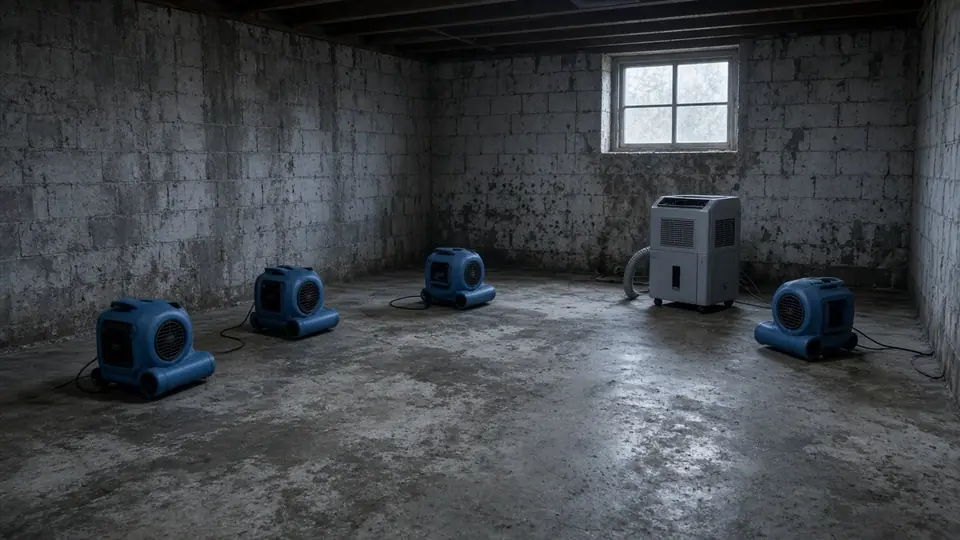
If you do not yet know what is behind the wall, start with the mold assessment. If you hold a written plan and need it carried out, go to remediation. If wet materials are less than two days old and nothing has grown yet, drying comes first.
Not sure which one you are? Pick "not sure" on the form and say what you see. We suggest which job to book first.
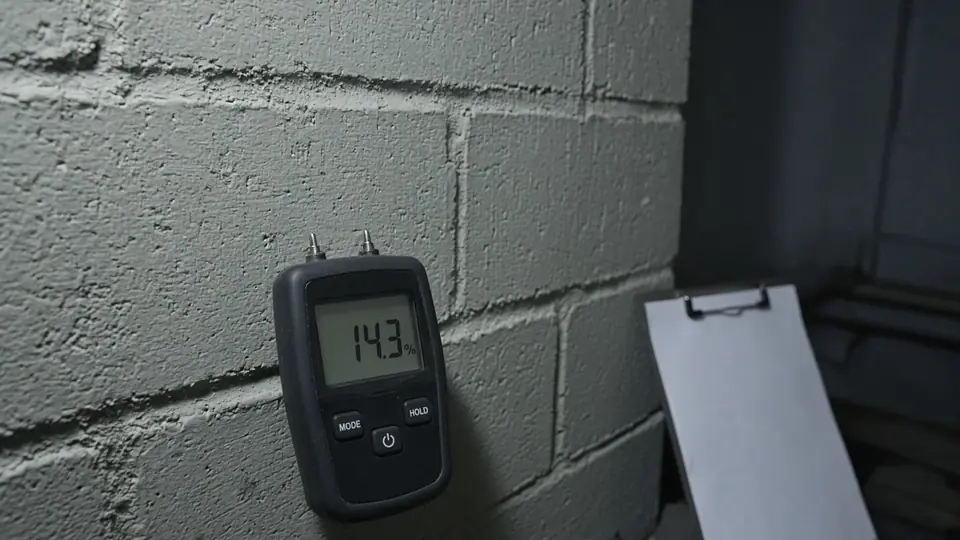
Mold Assessment With the Building's Flood Record
Book the assessor before the tear-out.
Mold Remediation by a Separate Company
Hand the plan to a second, separate company.
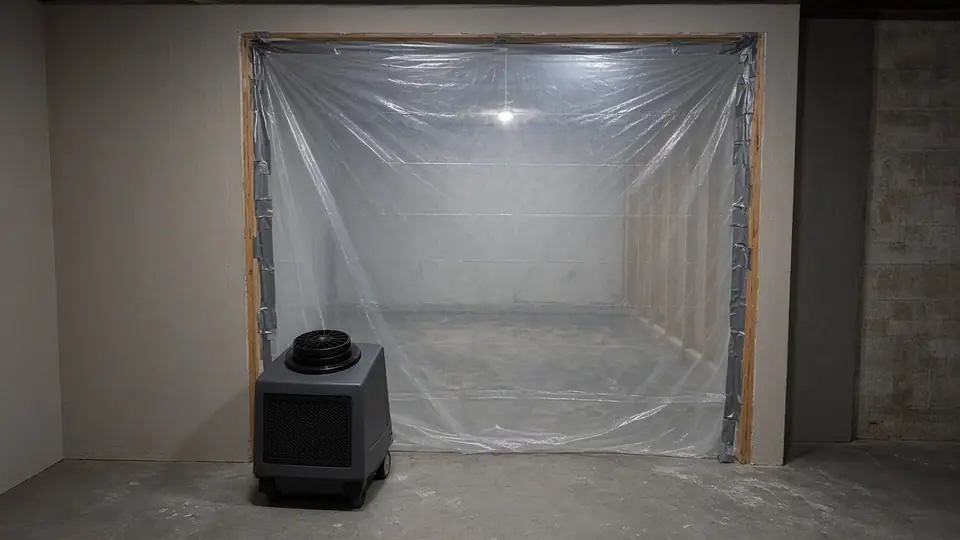
Drying After Repeat Water
Dry the room fast and write down the dates.
The order
Why the order matters, and why the assessor is the bottleneck
New York keeps the finding and the fixing in separate hands.
Above ten square feet, one company may not assess and also remove the mold on the same property. The assessor writes the plan, a different company follows it, and the assessor comes back to check the result. That keeps every quote tied to the same written plan.
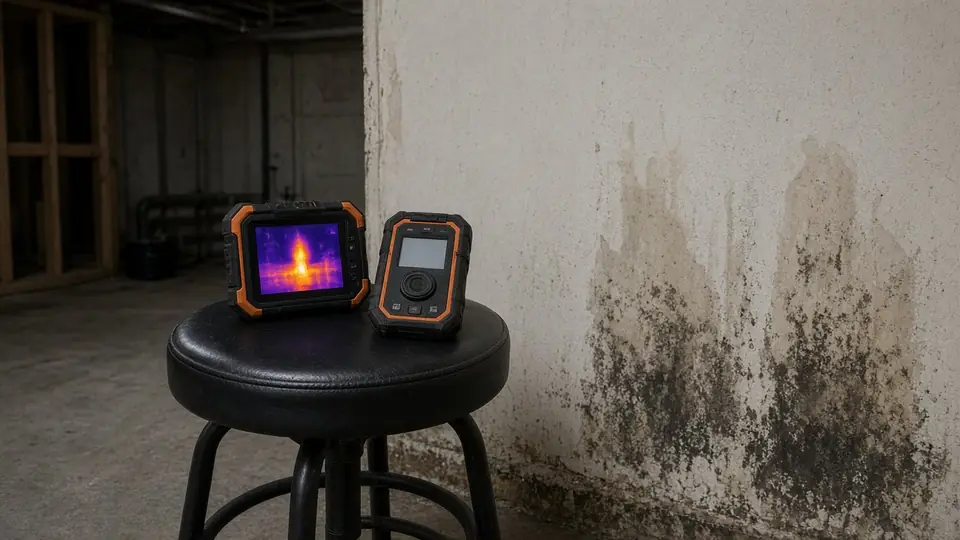
Here is the Yonkers twist. On 10 October 2026 the state register listed 8 assessment contractors and 19 remediation contractors with Yonkers business addresses. The assessor is the scarcer half, and every other step waits on that visit.
So book the assessment first. Tell us where the water shows, and we start the booking while you gather the building's papers.
01Get the building's record
Ask who was told about earlier water and what was written down. Bring dates, photos and messages.
02Book the assessment
An assessor writes the plan. New York licenses assessors and remediators separately, so this person will not do the removal.
03A different company does the work
A separate remediation company follows the written plan. Ask each company for a license number, then confirm it on the state's mold contractor lookup.
04Clearance after the work
The assessor returns, compares the finished work with the plan, and hands you a written passed report.
Where we work
Yonkers and eight towns beside it
Pick your town to see how its water, its housing and its building office differ.
Yonkers and Mount Vernon are cities. Bronxville, Tuckahoe, Hastings-on-Hudson, Dobbs Ferry and Ardsley are villages, and Eastchester and Greenburgh are towns. That matters when you need a permit, because each place issues its own.
Open the areas page or choose your town below, then send us the address. If your street sits on a town line, ask which building department covers it before you hire anyone.
Hudson bank
Saw Mill valley
Old homes, many tenants
Older buildings, and more renters than owners
Who can act on a wet wall depends on who holds the lease or the deed.
The median Yonkers home went up in 1958, and renters occupy about 54 percent of homes. In a big building, one wet riser can reach many households.
If you rent, the state Health Department's advice is to write to the landlord or superintendent first. If nothing happens, the next stop is your local building department. Keep a dated copy of every message. Who pays depends on the cause and on your lease, and we cannot decide that for you. Ask the landlord in your first message.
If you own, you pick the companies. If you live in a co-op or condominium, the state says you may have to go through the managing agent or the owners' association. Ask which route applies before you book.
What moves the price
What sets the size of a mold or drying job
We do not set prices. The company you hire does, and these are the things it weighs.
Ask any contractor which of these drive the number, and ask to see them written down:
- How much surface is affected, and whether it passes ten square feet.
- Whether the water source is found and stopped.
- How long the materials have been wet.
- How many rooms or walls need work, and what is behind them.
- How hard it is to reach the area and seal it off.
For mold, ask for the assessor's written plan before you collect any removal quote. The state says quotes should wait for it. If a company adds work the plan does not list, ask it to write down why before you agree.
Before you hire
Three questions for any contractor
- Ask
What is your New York license number?
Ask for it, then look it up with the state before you sign.
- Ask
Which assessor's written plan are you following?
Above ten square feet of mold, a remediator may not start without an assessor's plan.
- Ask
Who will clear the job when you finish?
The written clearance should come from the assessing company, never the remover.
Next steps
From first message to finished job
- 01
Tell us the building
Tell us where water shows and how often it returns.
- 02
Book the assessment first
Get a separate assessor booked to write the plan.
- 03
Choose who removes or dries
Pick who removes or dries, then sign if it suits you.
Guides
Read before you decide
The Ten-Year Flood Form
The county form that records ten years of flooding.
Mold Assessor and Remediator
Why one firm cannot find and remove your mold.
Mold Testing
What the state says about mold testing.
The Two-Day Window After a Leak
What to do in the first hour after water.
Renting With Mold
What a New York renter can ask for, in order.
$100 off your first job, credited when it is booked.