Guide
Water hit your floor today. Here is what the next two days decide
Tell us when the water arrived, and we start the booking.
A pipe let go, a sewer line backed up, or rain came through the wall. You have a short window, and what you do in it decides whether you need a drying crew only, or an assessor too. Start with the first hour.
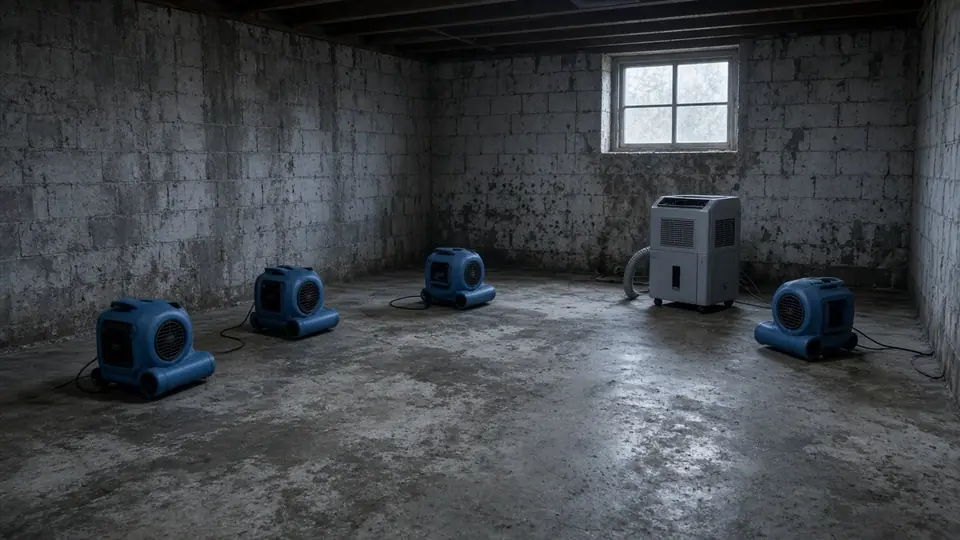
We help you get the mold assessment booked first and the cleanup or drying after, from separate New York companies, starting with what this building has been through.
The Yonkers record-first promise
- Calling or writing to us is free and binds you to nothing.
- We ask about the building's flood record before anything else.
- The company that assesses will not be the one that removes.
- Your $100 credit follows the written offer terms, word for word.
Each contractor you hire works for you under your own agreement with them.
Mold Removal Yonkers, (315) 640-3590
Read the termsThe first hour
If sewage came up, or water sits near outlets, a panel or appliances, stay out of the room and keep children and pets away. Phone an electrician or the drying company before you touch anything.
Otherwise, shut off the water if it is a pipe. Move rugs, boxes and furniture away from the wet area, and photograph everything before you touch it.
Write down the time. If you rent, message your landlord or building manager right away, and keep the message. A dated report is part of the building's file, and it speaks for you later.
What the window is
EPA says to dry wet building materials and belongings inside 24 to 48 hours, because mold often will not take hold when a leak or spill is dried that fast. It is a rule of thumb, not a promise.
So the first task after water is drying. Cleaning comes later, because you cannot clean what is still wet.
What dry means
A floor may feel dry on top and stay damp underneath. Ask for a first and a last moisture reading from the company doing the work. Numbers prove what your hand cannot.
Carpet over concrete, padding, drywall near the floor and anything behind a baseboard are the likely spots to hold water. Tell the drying company where you suspect water went.
Clean water, sewer water, runoff
The state Health Department names flooding, a damp basement and a sewer backup among the usual causes of moisture in a home. They are not the same event. Tell the drying company what you think the water was, and say if you do not know.
Belongings and building materials both have a clock
EPA's advice covers building materials and belongings alike. Rugs, boxes, books and cardboard go first, because they hold water longest and are easiest to move.
Photograph each item before you move it. You will want those pictures for your landlord, and for your own insurer, if you carry a policy that applies.
Why storms can send water back
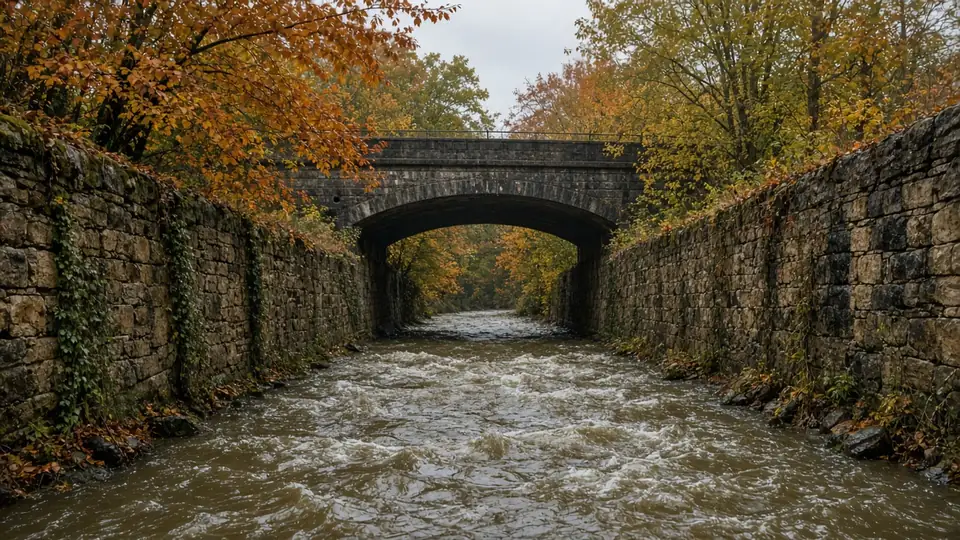
The city told the county that culverts at several Yonkers intersections are undersized, and residents raised concern about combined sewer overflow into the Hudson. That is the kind of system that can overload in a heavy storm and send water into a basement again.
That says nothing certain about your street. Treat it as a reason to log every event with a date.
If more than two days have passed
Do not wait for the smell. Tell us when the water arrived, and book drying if the materials are still wet. If you can see growth, book an assessment too.
Past about ten square feet, New York rules call for an assessor's plan and a separate remediator. Small patches are different: EPA says most people can clean under about ten square feet.
Fixing the water so it does not return
The first step in the state's mold cleanup list is to find and fix the water source. Drying a room and leaving the leak in place only resets the clock.
The Labor Department notes that repairing the moisture source falls outside the mold plan. Ask who will do it, and get the name written down.
When the same room gets wet again
Keep a simple log: date, room, what you saw, who you told. A log with several entries shows an assessor where to look first.
That log is also the proof that you reported the water. It is easier to build it now than to remember later.
Questions for the drying company
- When will you take the first reading, and the last?
- Which materials will you open or remove, and why?
- How long will the equipment run, and how will you decide when to stop?
- If you find mold, what happens next?
Good answers are short and specific. If they are not, call us and say so, and we help you book another company.
If you were not at home when it happened
Count from the moment water arrived, which may be hours before you saw it. Say so when you call, and give your best guess at the hour. Ask a neighbor or the superintendent when they last saw the room dry, and write down what they say.
Photographs that help
Take one wide shot of the room and one close-up of each wet spot. Include something that shows the date, such as a phone screen with the clock. Photograph the likely source too: a pipe, a window, a floor drain.
If you are given a moisture reading, photograph the meter. A number in a photo is hard to argue with.
What to ask your landlord for afterward
Ask for a copy of the drying company's readings and any report. Add them to your file, next to your dated photos and your first message.
If the room gets wet again, those papers show the earlier event and what was done about it. Without them you start from nothing.
What we do and do not do
We do not dry, test, remove or clear anything. We help you book the company that does, and we give you the questions to put to each one. Each company works for you under its own agreement.
Who to call, and in what order
- Stop the source if you can.
- Photograph and write down the time.
- Tell your landlord or manager in writing.
- Book drying.
- If growth shows, book the assessment.
- 1Street and houses
- 2Concrete flume
- 3Sewer system
- 4Foundation wall
- 5Basement floor
- 6Opened stretch
Send us your address and the time the water arrived, and we help you with steps four and five.
Jobs
The jobs that go with this guide
Drying After Repeat Water
Dry the room fast and write down the dates.
Mold Remediation by a Separate Company
Hand the plan to a second, separate company.
Tell us when the water arrived, and we start the booking.