Water damage drying in Tuckahoe
Wet Tuckahoe floor or wall? Dry it inside 48 hours and note where the water came from
Soaked ground-floor unit near the Bronx River? $100 off your first job in Tuckahoe is credited by us on the drying booked first.
Water has reached a Tuckahoe floor, wall or basement and the clock is already running. EPA names a 24 to 48 hour window for getting wet materials dry, which often keeps mold from starting, so tell us where it came in and book the drying.
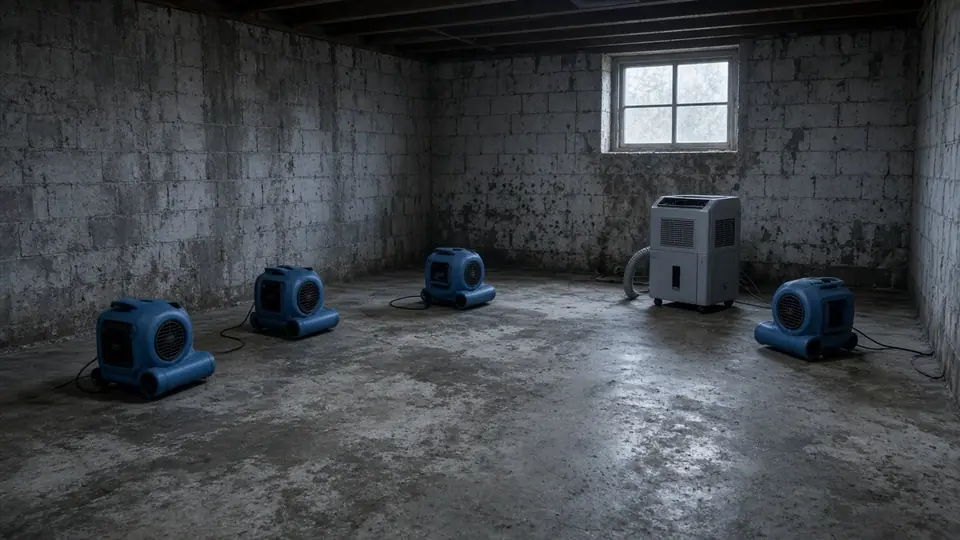
We help you get the drying booked now and a mold assessment after if anything stays wet, from separate New York companies.
The Yonkers record-first promise
- Calling or writing to us is free and binds you to nothing.
- We ask about the building's flood record before anything else.
- The company that assesses will not be the one that removes.
- Your $100 credit follows the written offer terms, word for word.
Each contractor you hire works for you under your own agreement with them.
Mold Removal Yonkers, (315) 640-3590
Read the termsQuestions
Tuckahoe and water damage drying: the open questions
1How fast should a wet Tuckahoe basement be dried?
EPA's guidance gives a day or two, because mold usually cannot get started when a leak or spill dries that quickly. Call to book once the water has stopped.
2Does it matter if the water came from the river or a drain?
Yes. The first step in the state Health Department's cleanup guidance is locating and fixing the source, so tell the contractor which it was. Record it too, because Chapter 581 counts river overflow, ditch runoff and ponded rain as flooding.
3What humidity should the drying reach?
EPA suggests staying below 60 percent humidity, with 30 to 50 percent ideal. Ask the contractor to give you the final readings in writing.
Signs
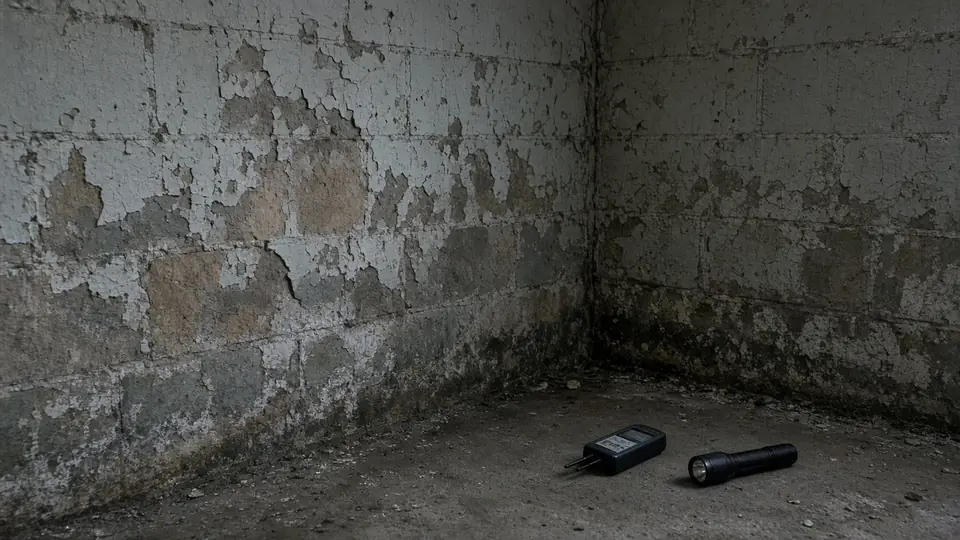
What a Tuckahoe basement shows before water damage drying
- Water came up a floor drainDrain water rising into the room calls for different handling than a pipe leak does. Keep children and pets out of it, tell the contractor before it arrives, and write down the date, the room and how high it reached.
- Baseboards or carpet still damp tomorrowDamp that outlasts a day means the drying has not finished. Ask for moisture readings in the wall behind the baseboard, not only on the floor.
- Heavy air and fogged windowsEPA's target is humidity below 60 percent, ideally in the range of 30 to 50. A cheap meter from a hardware store shows where you stand.
- A ceiling stain under a neighborIf the water came through from the unit above, you need the owner involved right away. Ask them to repair the source while your unit is being dried.
Which water reached your Tuckahoe unit, and why the answer matters
Tuckahoe says paving and development between the village and north White Plains have sharply increased flooding in the Bronx River watershed, including around Garrett Avenue and the Bronx River Parkway Reservation. Water from a river or a street drain is handled differently from water from a pipe.
Chapter 581 defines flood broadly: river overflow, fast runoff from a stream or drainage ditch, and rain that pooled where it fell. If your water fits that list, it belongs in the building's flood history, so tell your owner in writing and keep your photos.
Say plainly which kind it was when you book. A contractor who knows the source can dry the right materials and leave the right ones alone. If you are not sure, say that too, and describe what you saw: where the water first showed, whether it was clear or dirty, and whether it came with a storm or on a dry day.
Before the drying company arrives: what to tell the building
Send your owner or managing agent a dated message that day: the room, the hour you noticed the water and what you think carried it in. Attach photographs. A rented unit in a larger building may share a riser or a roof with the apartments above, so ask who is checking them.
If you rent, keep the reply. It may matter later, if the flood history form for the next lease has to say what happened here. Ask the company to list in writing what it will dry and what it will leave, so the bill holds no surprises.
Drying readings your Tuckahoe contractor should hand you
Ask for moisture readings when the drying starts and again when it ends, taken in the wet room and in the next room too. Ask what stayed and dried where it was, what was cut out, and the reason for each.
If growth appears while the materials are drying, the next step is an assessment, not more drying. Book the assessor separately from the company doing the drying, and give the assessor the readings so the plan starts from facts. If the same wall is wet again a few weeks later, treat that as news about the source rather than bad luck, and write down the date.
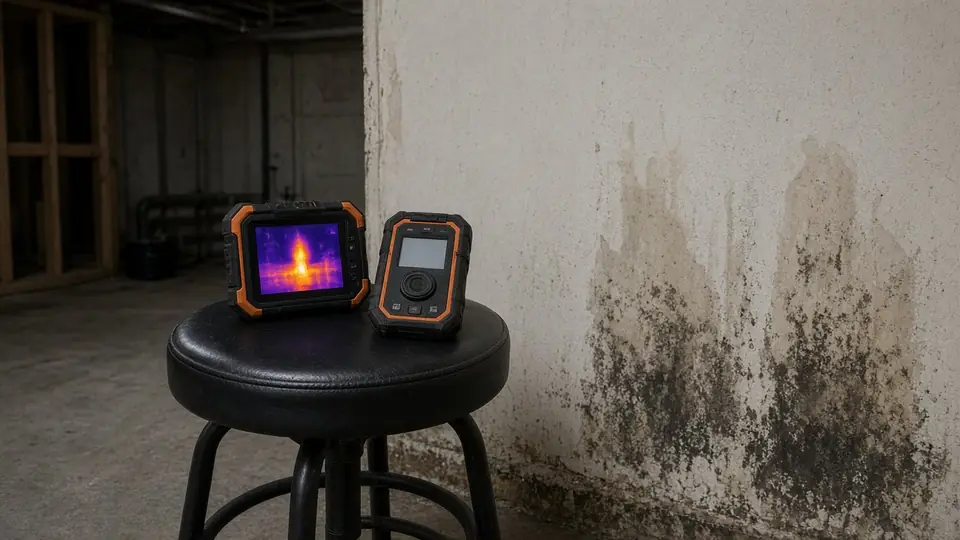
Check the humidity yourself with a meter once the equipment leaves, and call the contractor back if the air still reads above 60 percent. Keep the readings with your other papers, because the next assessor or tenant may ask for them.
Other jobs
Two more jobs for a Tuckahoe building
Mold Assessment With the Building's Flood Record
Book the assessor before the tear-out.
Mold Remediation by a Separate Company
Hand the plan to a second, separate company.
Nearby
Water damage drying along the corridor
- Bronxvillevillage (Town of Eastchester)
- Eastchestertown
- Yonkerscity
Soaked ground-floor unit near the Bronx River? $100 off your first job in Tuckahoe is credited by us on the drying booked first.